

The Europeans' 2026 Summer Playlist
Last month, we asked you for your favourite sunny, summery songs from across the European continent – and boy, did you deliver! This week we’re taking a break from the news to talk about some of the incredible music you introduced us to, by artists from Sweden to Serbia.
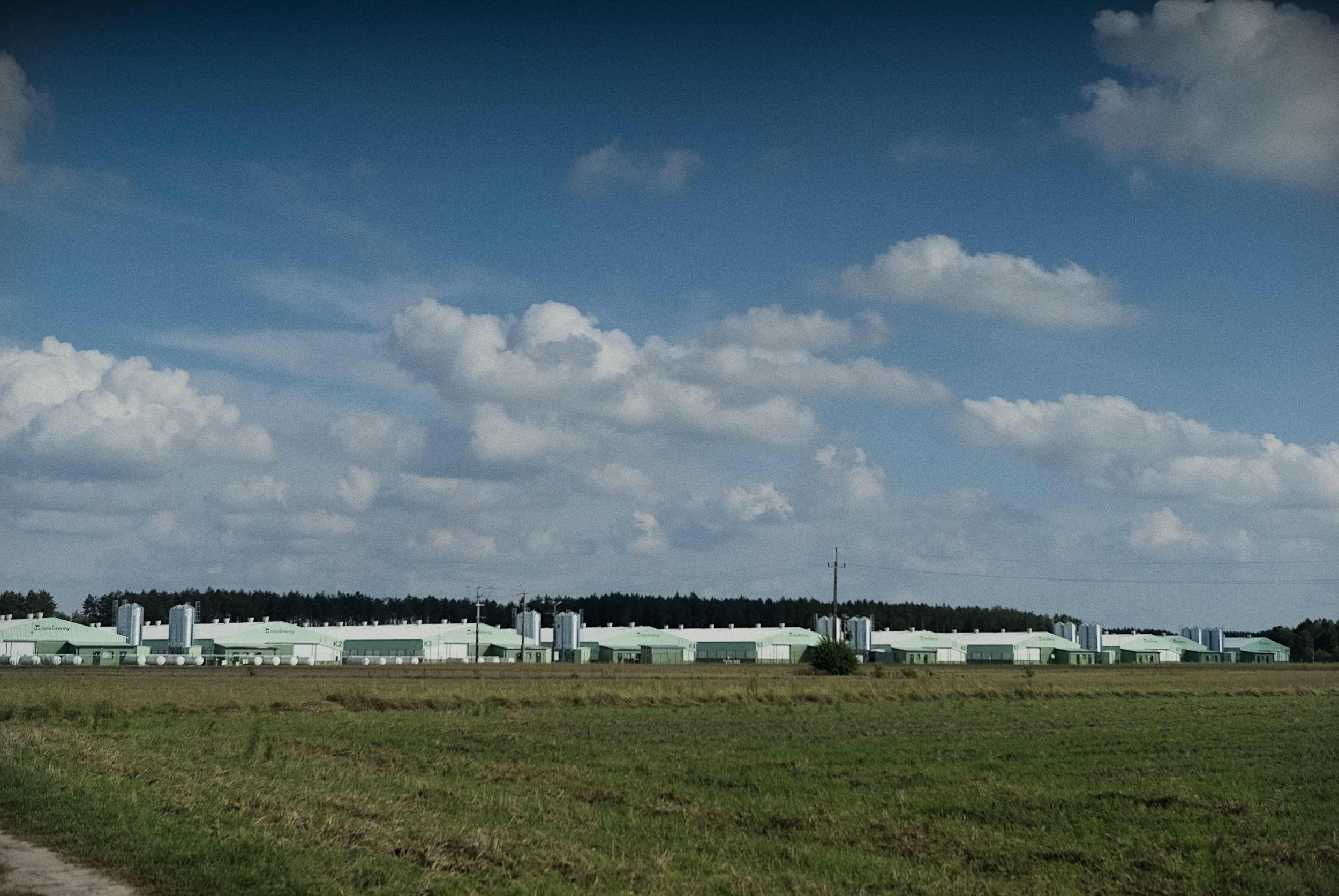
The Frankenchicken is coming to a village near you
This week, we’re asking some tough questions. Is the EU friends with the Taliban now? Is your 100% cotton shirt actually made of cotton? And, our favourite, “Why Did the Frankenchicken Cross the Road?” We’re taking on a few challenging topics this week, but the Funny Lady from Luxembourg is back in the co-hosting chair, so you know to expect a fair share of laughs, too. (Listen to the end to hear her impression of a Luxembourgish whale.)
Why is Putin using African trolls against Europe?
We’ve talked a lot about pro-Kremlin internet trolls, who have worked to destabilise the democratic functioning of countries all across Europe. Turns out, there are even more of them than you might imagine – and they’re operating from places you might not expect. This week we chat with award-winning investigative reporter Philip Obaji Jr. about how Russia has been using African nations as launchpads to help sow chaos across Europe. Philip is an incredibly brave journalist working under exceedingly challenging conditions, and his insights on this growing problem are chilling. Also on the podcast this week: a heartening turnout at Kyiv Pride, and news about nuclear proliferation that we have definite mixed feelings about.

Every @#$%ing quirk of the English language
After a triggering event we’re calling Legislativegate, producer Wojciech has a bone to pick with the English language and all of its irregularities. This week, Katy arranges a therapy session for Wojciech with Rob Watts, the Berlin-based host of the wildly popular YouTube channel RobWords, to discuss the peculiarities of the English language and the joys of being a “word nerd”.
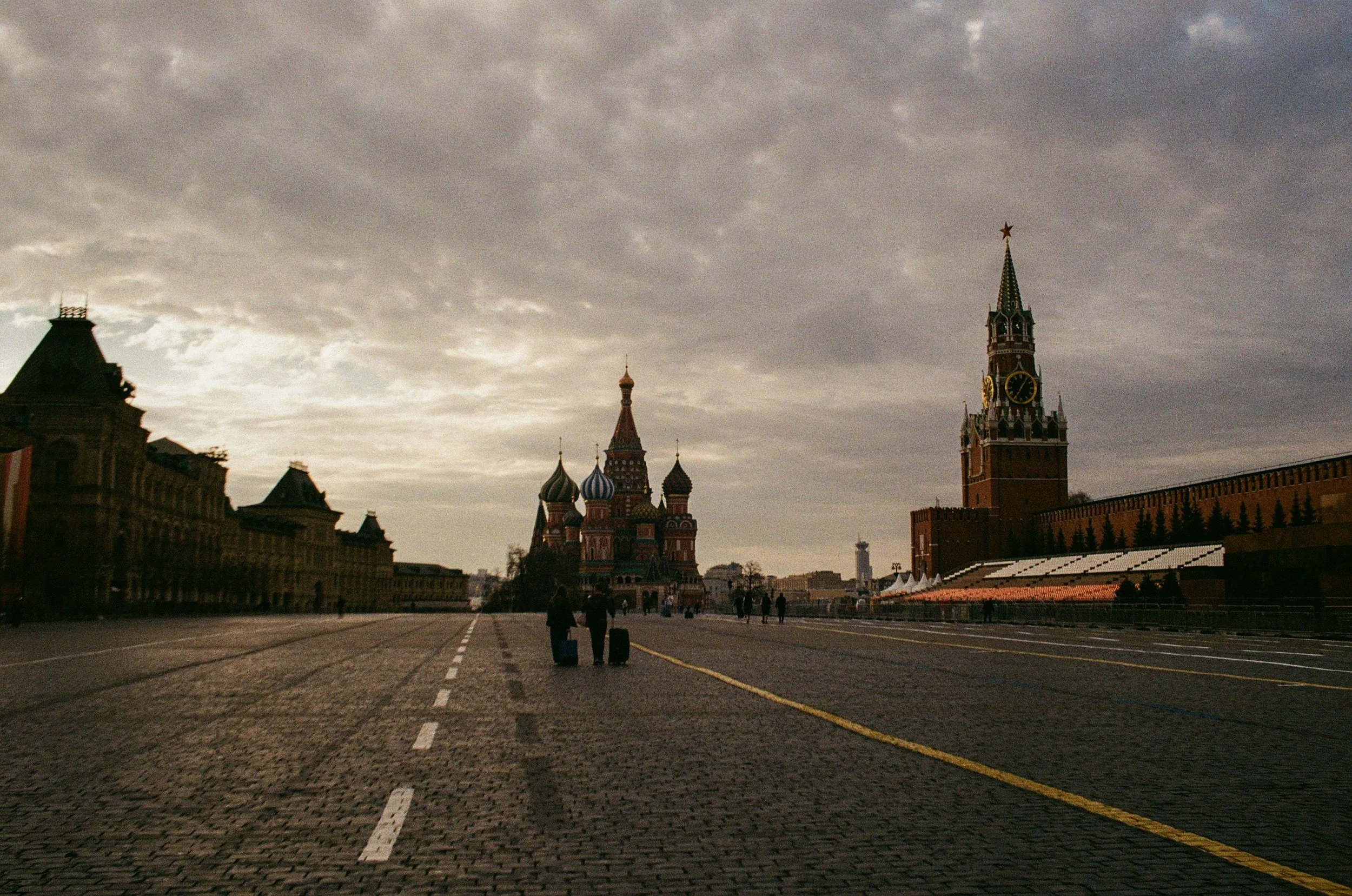
What is life really like for Russians right now?
The predictions began soon after Russia’s full-scale invasion of Ukraine: the collapse of the Russian economy was imminent. Four years later, it still hasn’t happened. And yet, the cracks are appearing: Ukrainian drones that are now capable of striking critical targets in Moscow; economic data that even the Kremlin can’t spin as positive. But what do these changes actually feel like for Russian citizens? This week, Wojciech calls people with friends and family in Moscow to find out.

Do you also have a Monstera in your living room?
Vinyl records, coffee table books, low-maintenance pot plants: from Dublin to Dubrovnik, all good hipsters have the same stuff. The Italian writer Vincenzo Latronico captures this boring international aesthetic beautifully in his hit novel ‘Perfection’, while skewering millennial life in general. Do you like hearing about Lisbon food, the internet vs real life, and everything that’s wrong with the word ‘expat’? Then you’ll love our inaugural book club conversation, even if you haven’t read the book. We’re also talking this week about a fugitive Polish politician’s transatlantic dash, and the questionable Frenchness of a celebrated giraffe. Listen to the end if you want to know why we are launching a side-business importing sun loungers.
Venice has a Russia and Israel problem
‘Art and politics can totally be separated!’ said no one ever – apart from the organisers of the Venice Biennale, a.k.a. the Olympics of the art world. This week we’re diving into the fallout from the Biennale’s decision to allow both Russia and Israel to participate. We’re also looking at a case study of why it’s so problematic to welcome Moscow to events that showcase its (Kremlin-approved) cultural offerings: the film Mr Nobody Against Putin, whose co-director Pavel Talakin, we are happy to report, has now happily been reunited with his mislaid Oscar. A round of applause for Lufthansa!

When will Europe get the trains it deserves?
If you’ve ever wondered where all the affordable night trains are, or struggled to book tickets for an international journey, or spent hours of your one wild and precious life petitioning for compensation for a significantly delayed trip (*takes deep breath, collects self*)... let us introduce you to Jon Worth. This prolific train watcher and commentator is behind a new European Rail Passengers’ Union that is pushing for easier cross-border transit and may even help to resolve some people’s personal cross-border nightmares. Jon thinks Europe’s train travellers deserve better, and we tend to agree.

Pavarotti is trapped in an ice rink
This week we discuss two of the lighter news items to cross our messy Q4 desks: the fact that Denmark’s national postal service, PostNord, will soon cease to send letters or postcards, and the rather awkward saga surrounding a statue of opera legend Luciano Pavarotti that has been encased in an ice rink. Then we catch up with Jim Barne, a musician who made his name composing the theme music for a little podcast called The Europeans (wink, blush) and has just opened a smash-hit Broadway show, Two Strangers (Carry A Cake Across New York). Jim and his Two Strangers co-creator, Kit Buchan, are here to answer a burning question of Dominic’s: what is it, exactly, that makes Christmas music so Christmasy?

Childcare policy: Who Does It Best?
Childcare policy affects all of us at some point in our lives. And depending on where you live, your country’s parental leave and early-education policies can determine everything from what you do for a living to how you divide household labor to how you plan for your future. Reporters Maja Stepančič and Uršula Zaletelj took a whirlwind trip across Europe to find out which country does childcare policy best. And even if you don’t have kids of your own, we’re pretty sure you’ll enjoy taking the journey with them.

Three Rivers and a Sausage Fight
It’s our second week of “cucumber season” programming, and fair warning: we’re really leaning into the late-summer goofiness. This week, we go hard on German gastronomy, with a deep dive into Europe’s declining alcohol consumption and a recap of the utterly absurd row over the origins of Bratwurst.
Because we don’t want you to think we’ve totally lost the plot, we also had a perfectly civilised conversation with Robert Winder, the prolific author and sometime editor of The Independent and Granta whose new book, Three Rivers, comes out next week. Robert spoke with our producer Katz about the waterways that shape Europe as we know it—and about their future in a warming climate.

Hungary's Pride ban goes up in smoke (and glitter)
This year’s Budapest Pride was banned in March under the Orbán government’s contentious “child protection” law. Demonstrators were threatened with hefty fines for participating, and the government said it would employ facial-recognition technology to identify and potentially prosecute those who turned out to take part at the march on 28 June.

Hungary's plight, kids' rights, and Spargelzeit
Asparagus, lesbian family rights and Viktor Orbán’s latest power plays: like all good meals, this podcast episode is perfectly balanced. German food writer Ursula Heinzelmann joins us to explain the ‘Spargelzeit’ phenomenon that sees foodies going nutty for asparagus at this time of year. We’re also taking a look at LGBTQ rights in Italy and unpacking the Hungarian government’s plans to ‘starve and strangle’ civil society. Can Orbán be stopped?

Cold water, warm hearts
As the winter chill sets in, throngs of Europeans are heading each week to the nearest pond, lake or coastline to dunk themselves voluntarily in freezing cold water. Cold swimming has centuries of history on this continent, but why do it? This week we're delving into the science of why it makes us feel good — but also why it helps so many people through difficult times, with the help of Katharina Smets, audio maker and proud member of Antwerp's biggest cold plunge club. We're also talking about the Vatican's Christmas tree drama and a festive inflation-busting policy in Greece.

Naughty, naughty Switzerland
Wine fraud, migration policy and climate litigation: there's something for everyone this week. Back in April, Switzerland's government lost a groundbreaking European court case and was ordered to rewrite its climate policy. Has it actually done that? No, no it has not. We speak to Geneva-based climate lawyer Seb Duyck about whether Switzerland can be forced to change its tune. We're also talking about offshore migrant detention centres, a full-bodied fraud case and the latest sign that AI is coming for podcasters' jobs.

Mussolini, testicles, and the Schengen zone
Last week we brought you geopolitics, this week we're bringing you testicles. Why has male contraception remained such an underground idea, despite decades of research? We speak to Paul Labourie, one of a growing number of men (in the francophone world at least) who are turning to DIY contraception devices to take on more of the responsibility in their relationships. We're also talking about the crackdown on Germany's borders and a surprise move by Mussolini's granddaughter.

The Big-Agri Bully Boys
Protests by angry farmers have swept across Europe this year. But from country to country, powerful groups have taken these protests over and changed their agenda. Who are these people, and what are they up to?
Nepo great-great-great-grand-babies
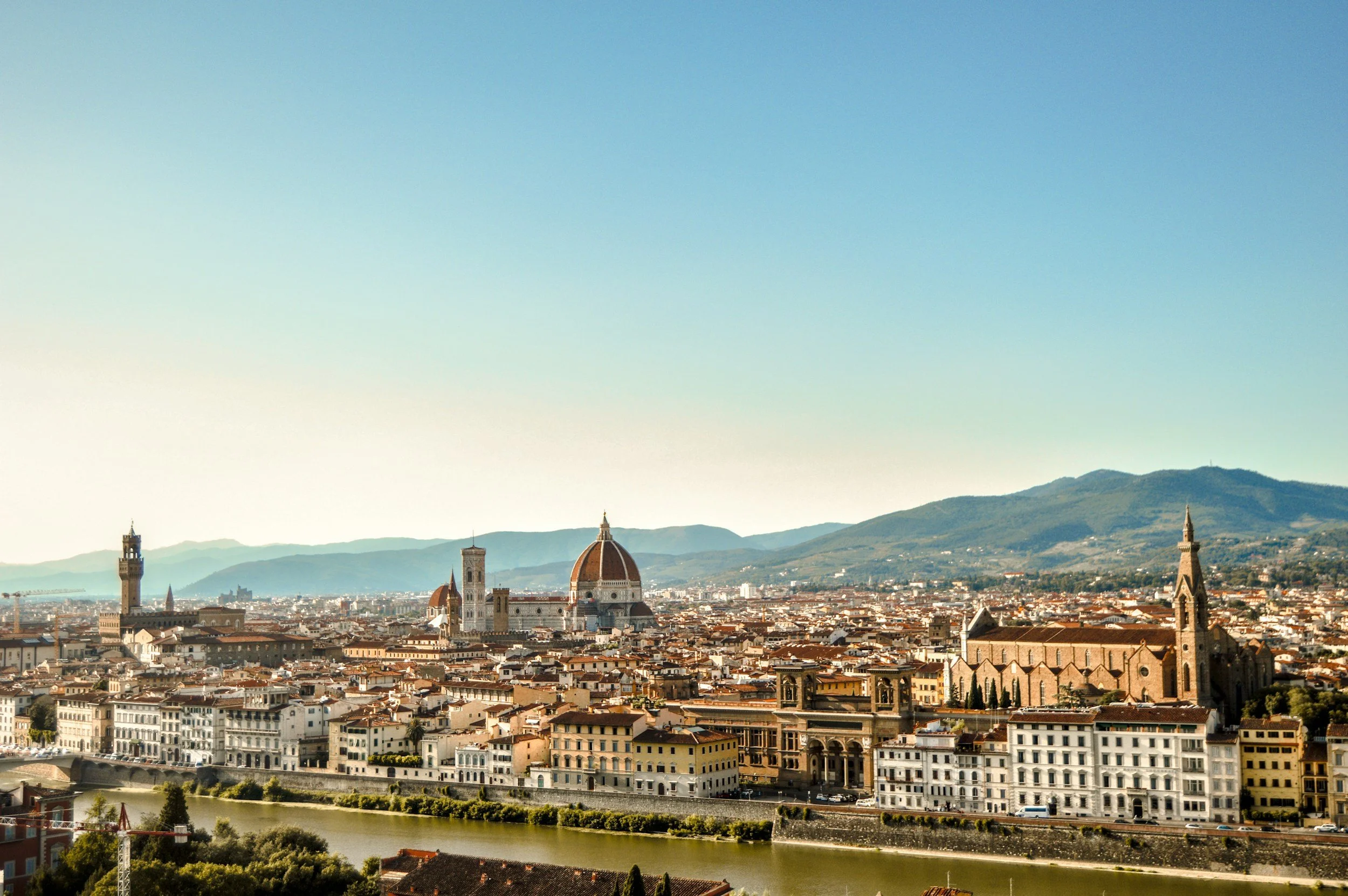
We all know this continent has major issues with social mobility. But having a rich ancestor from *six centuries ago* shouldn't make it more likely that you're rich today... should it? This week we speak to Guglielmo Barone, one of the economists behind some fascinating research into this question in Florence. We're also talking about Ursula von der Leyen's 'jobs for the boys' scandal and the road to a shared European cycling policy.

Small Ex-Soviet Satellite State My Ass
This week, we're heading to a small country with a big bold foreign policy. Czechia, aka the Czech Republic, has won international praise by negotiating a desperately-needed ammunition deal for Ukraine. Why did it succeed where others have failed? And why is its government so much less scared of China than most others in Europe? We ring up Jakub Janda, Czech security expert and author of a certain viral tweet, to find out. We're also talking about a glimmer of hope for some of Italy's rainbow families, and the scandal rocking Finnish journalism.