

Pedro Sánchez's biggest gamble yet
Europe is in chaos, but we’re here to talk about it all, as long as the wifi holds out! This week, we’re chatting about Spanish Prime Minister Pedro Sánchez’s call for a snap election in light of his country’s recent housing demonstrations and a host of other controversies roiling Madrid. Please note: this podcast was recorded before news broke on Wednesday night of the death of Maricarmen Abascal, the 87-year-old whose eviction sparked Spain’s massive housing protests.

Can Europe save the world from the AI apocalypse?
When it comes to the future of AI, we – like seemingly everyone else – have way more questions than answers. Could European legislation do anything to protect us from job losses and “rogue” models? Can the chatbots created on this continent compete with those being developed by the US and China? What would it mean to win (or lose) the “AI race”? And most importantly: how doomed are we?
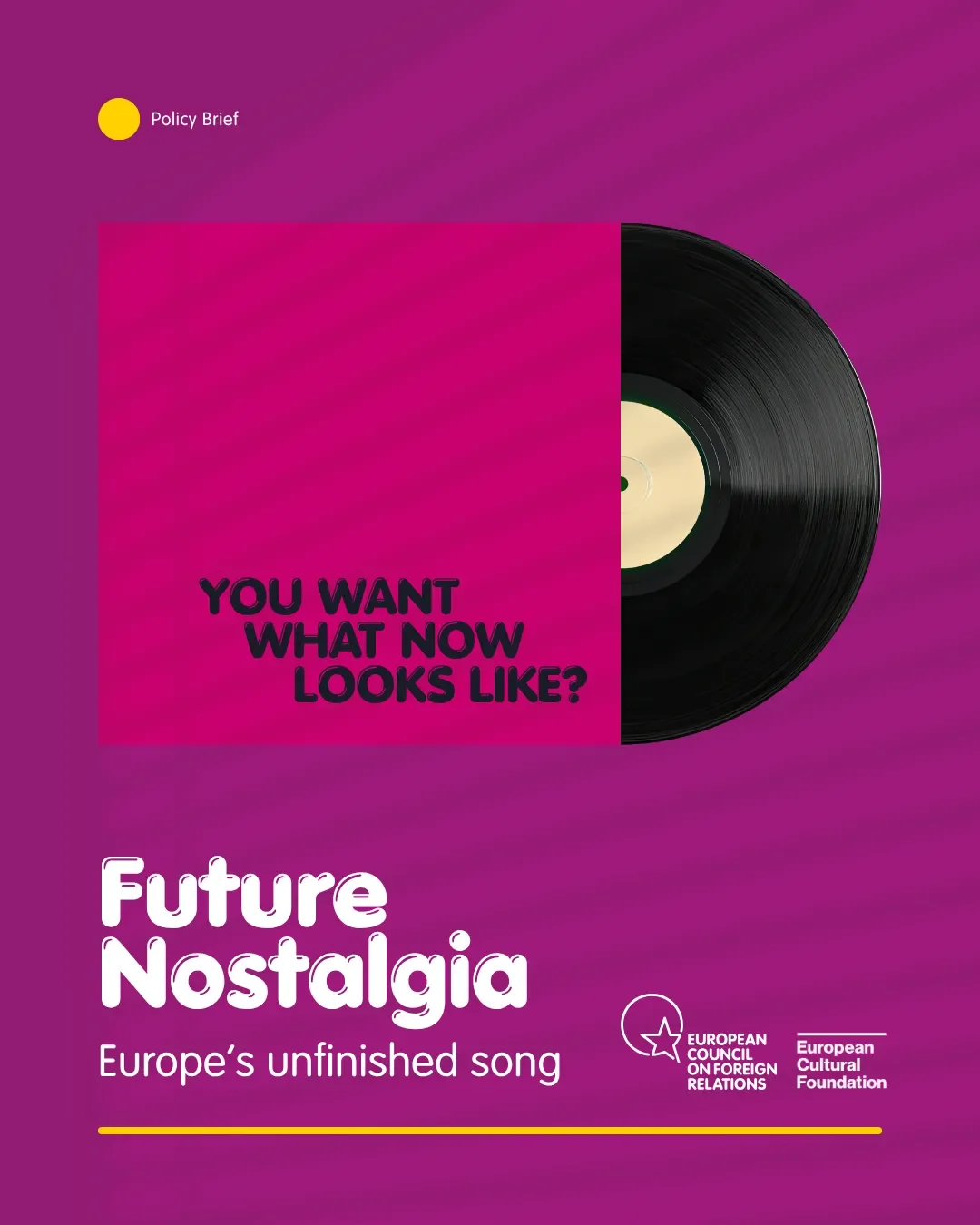
Why are Europeans so bad at imagining the future?
When it comes to envisioning the future, what’s your type? The Positive? The Negative? The Uncertain? The Disconnected? No, these aren’t characters in a pop group or a teen movie – they’re the four ways of imagining a European future. So says Paweł Zerka of the European Council on Foreign Relations, a three-peat guest and true Friend of the Podcast. Paweł is back once more to walk us through this year’s European Sentiment Compass, “Future Nostalgia: Europe’s Unfinished Song”. Come for the Dua Lipa reference, stay because you’re a polling nerd like the rest of us. We’re also talking about British lawmakers’ quest to figure out why the UK does quite so badly at Eurovision and what the seizure of Nestlé and Auchan’s Russian assets says about the Kremlin’s finances.

Hooray for normalised boredom!
This week, we’re attempting to solve some tricky problems. How can the EU tackle the ballooning housing crisis? Can we revive a cinema industry on death’s door? And how on earth can we get bureaucrats to communicate like human people in order to really, truly get something done? We’re unpacking plans for a new Affordable Housing Act and Macron’s attempt to save le cinéma, and we’re also getting an exclusive from the EU’s Directorate General of Memes, Satire, and Sober Fun, a.k.a. Fabio Mauri, the meme-maker who loves nothing more than to poke fun at Europe’s policymakers on Twitter and Instagram. You’ll laugh, you’ll cry, et cetera.

Will Meta's American makeover come to Europe?
Last week, tech giant Meta reached a settlement in a lawsuit with nearly every state in the US over claims that it had knowingly harmed children with its addictive apps. It was a major turn of events in the growing movement to protect kids online – but what does it mean for those of us on this side of the Atlantic? This week, we’re bringing you a fascinating chat with Leanda Barrington-Leach, the executive director at 5Rights, an international NGO that seeks to protect children’s rights and wellbeing on the internet. We’re also unpicking the CIA chief’s visit to Moscow and the surprisingly effective tariff placed on small parcels from China.
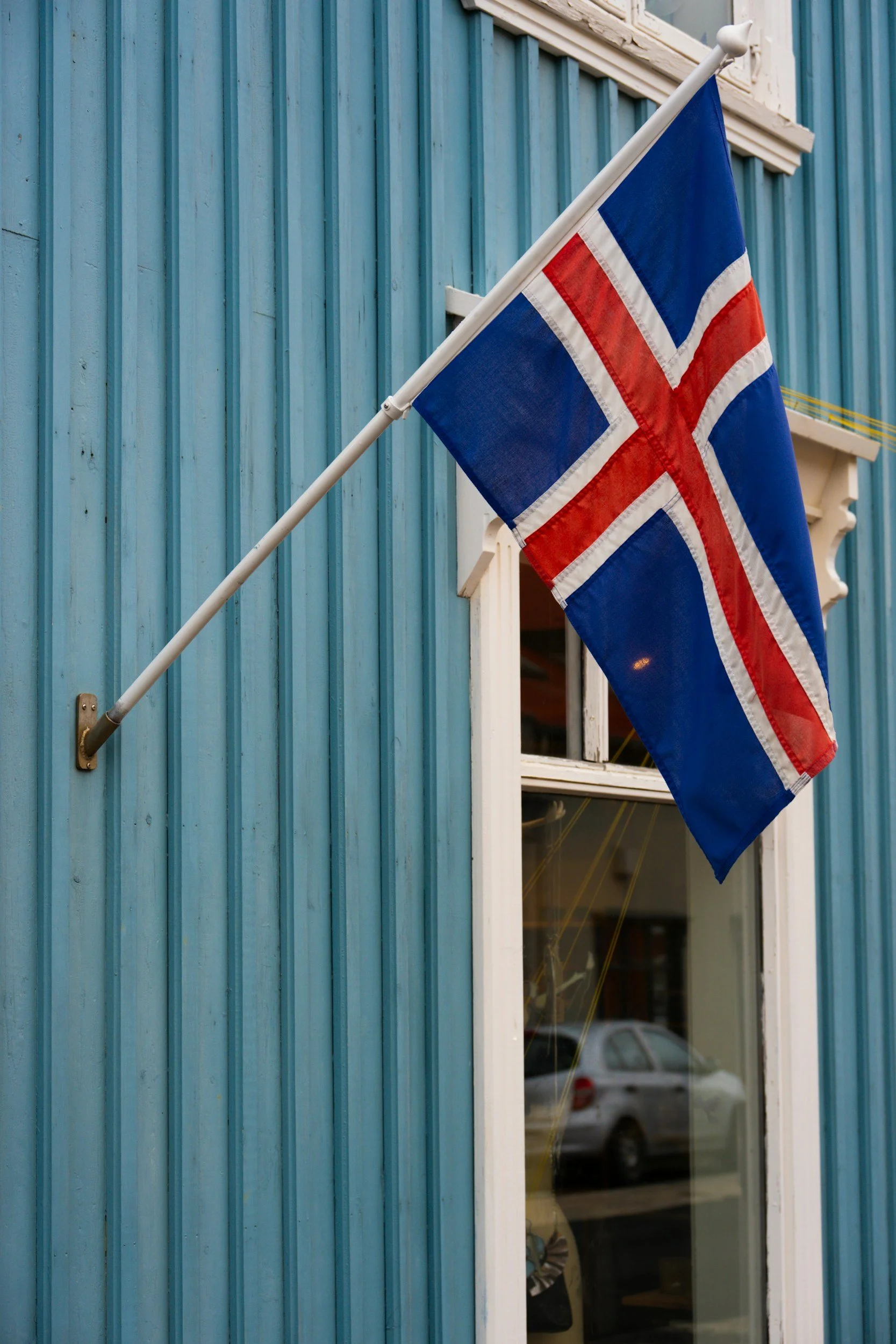
What's on the line in Iceland's EU referendum (besides fish)?
This weekend, Icelanders go to the polls to determine whether the nation should pick up its EU accession talks where they left off in 2013. Ahead of the big referendum, we caught up with Icelandic journalist Elias Thorsson and Finnish analyst Minna Ålander, to better understand what the vote means for Iceland and what it could mean for the Nordic countries and the greater European Union. Maybe you’re somebody who can prattle on about how the devaluation of the Icelandic króna benefits the country’s international exports…and maybe you’re someone who can’t exactly remember which Nordic countries are in the EU. No matter which type of person you are, we promise, this episode is for you.

Bad news isn't the only news
Sally Hayden made a name for herself by documenting some of the worst human rights abuses of the 21st century. Now she’s written a new book… of love stories. This week we had the honour of sitting down with the decorated Irish journalist to discuss her latest release, This Is Also a Love Story, the (im)balance of good news and bad, and the oft-forgotten truth that, as Sally puts it, “humans exist at the center of geopolitics”. We’ve devoted the whole of this week’s episode to this challenging conversation, and we hope you’ll find it as thought-provoking as we did.

The great European air conditioning debate
It’s not even August yet, and it’s been a long, hot summer. As temperatures climb and France and Spain fight to keep wildfires contained, we’re devoting the whole of this week’s episode to one of 2026’s most contentious debates: should Europe be using more air conditioning? With help from three experts, we’re picking apart the pros and cons of artificial cooling technology – and grappling with a handful of guilty feelings along the way.

The Europeans' 2026 Summer Playlist
Last month, we asked you for your favourite sunny, summery songs from across the European continent – and boy, did you deliver! This week we’re taking a break from the news to talk about some of the incredible music you introduced us to, by artists from Sweden to Serbia.

Did Jared Kushner get scammed over his Albanian resort?
Construction is well underway for Jared Kushner’s $4 billion Albanian holiday resort, but – in true Trumpian you-can’t-make-this-#$@!%-up fashion – it turns out the deeds for the land might be fake.
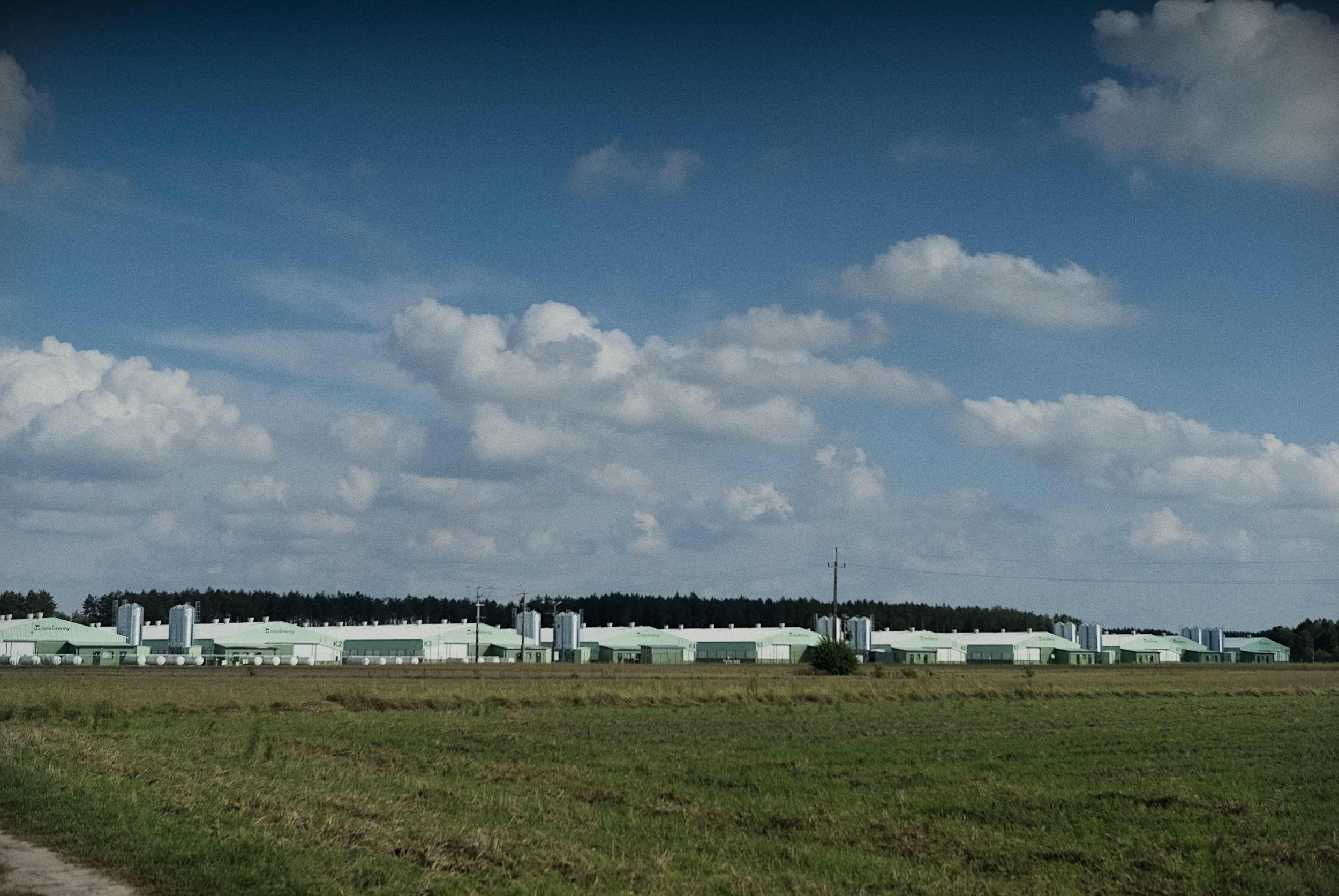
The Frankenchicken is coming to a village near you
This week, we’re asking some tough questions. Is the EU friends with the Taliban now? Is your 100% cotton shirt actually made of cotton? And, our favourite, “Why Did the Frankenchicken Cross the Road?” We’re taking on a few challenging topics this week, but the Funny Lady from Luxembourg is back in the co-hosting chair, so you know to expect a fair share of laughs, too. (Listen to the end to hear her impression of a Luxembourgish whale.)

Why is Putin using African trolls against Europe?
We’ve talked a lot about pro-Kremlin internet trolls, who have worked to destabilise the democratic functioning of countries all across Europe. Turns out, there are even more of them than you might imagine – and they’re operating from places you might not expect. This week we chat with award-winning investigative reporter Philip Obaji Jr. about how Russia has been using African nations as launchpads to help sow chaos across Europe. Philip is an incredibly brave journalist working under exceedingly challenging conditions, and his insights on this growing problem are chilling. Also on the podcast this week: a heartening turnout at Kyiv Pride, and news about nuclear proliferation that we have definite mixed feelings about.

Ten years on, can we talk about 'the B word'?
Long-time listeners will know that in the early days of The Europeans, we had a semi-official ban on talking about a certain topic: Brexit, or as we liked to call it, ‘the B word’. A whole decade after the UK’s seismic referendum vote to leave the EU, have Katy and Dominic made their peace with the split? What kind of damage has it done, and is there any chance that it might one day be reversed? This week, with the help of some of our listeners, we’re facing the B word head on.

Every @#$%ing quirk of the English language
After a triggering event we’re calling Legislativegate, producer Wojciech has a bone to pick with the English language and all of its irregularities. This week, Katy arranges a therapy session for Wojciech with Rob Watts, the Berlin-based host of the wildly popular YouTube channel RobWords, to discuss the peculiarities of the English language and the joys of being a “word nerd”.
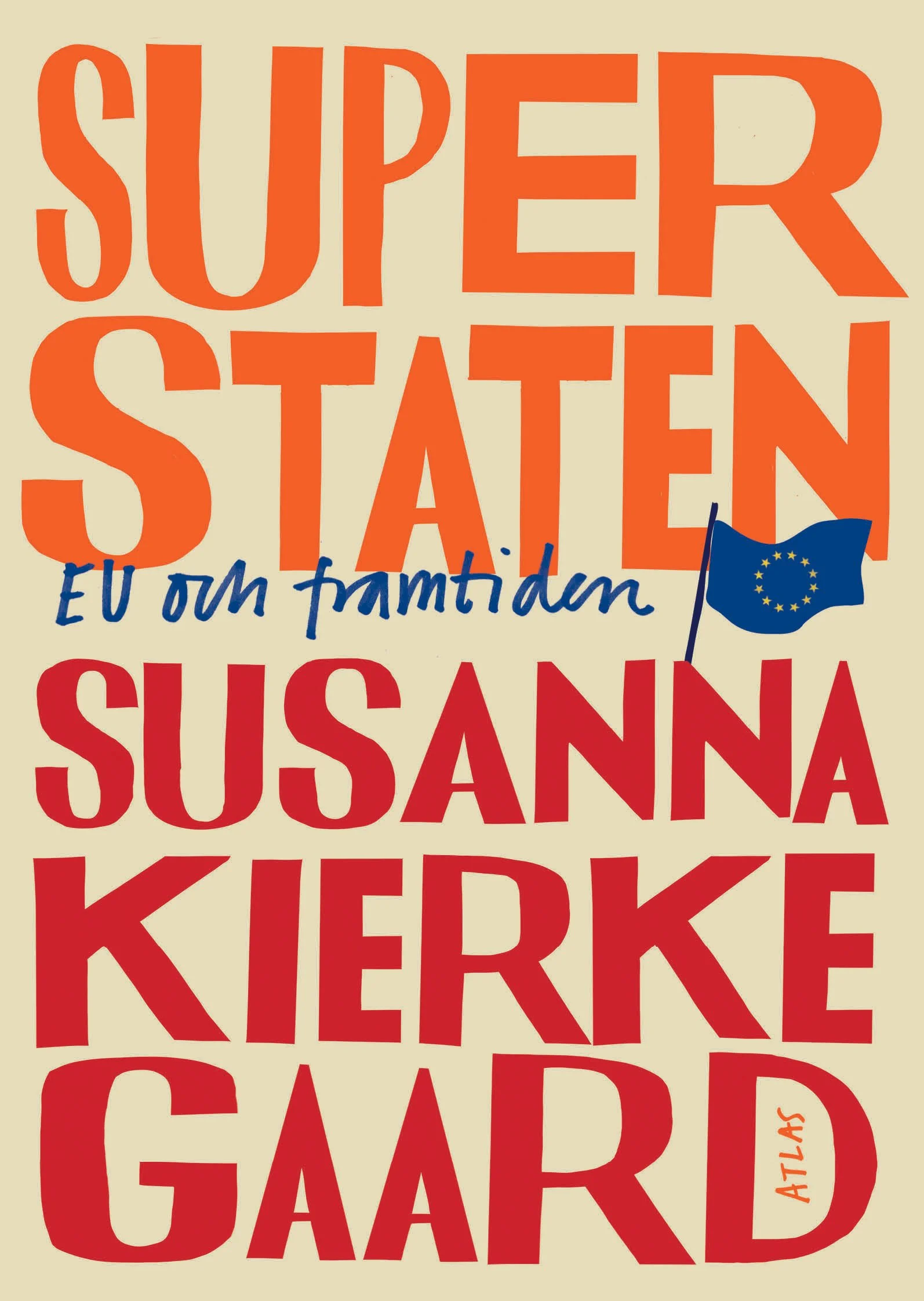
The world’s funniest superstate?
The European Union is many things: an economic powerhouse, an improbably successful peace project, or a bureaucratic hellscape, depending on who you ask. Most people would probably agree on one thing that it isn’t: funny. So when Susanna Kierkegaard set out to write Sweden’s first genuinely entertaining book about the EU, many might have dismissed the idea as a fool’s errand. And yet she has somehow pulled it off.
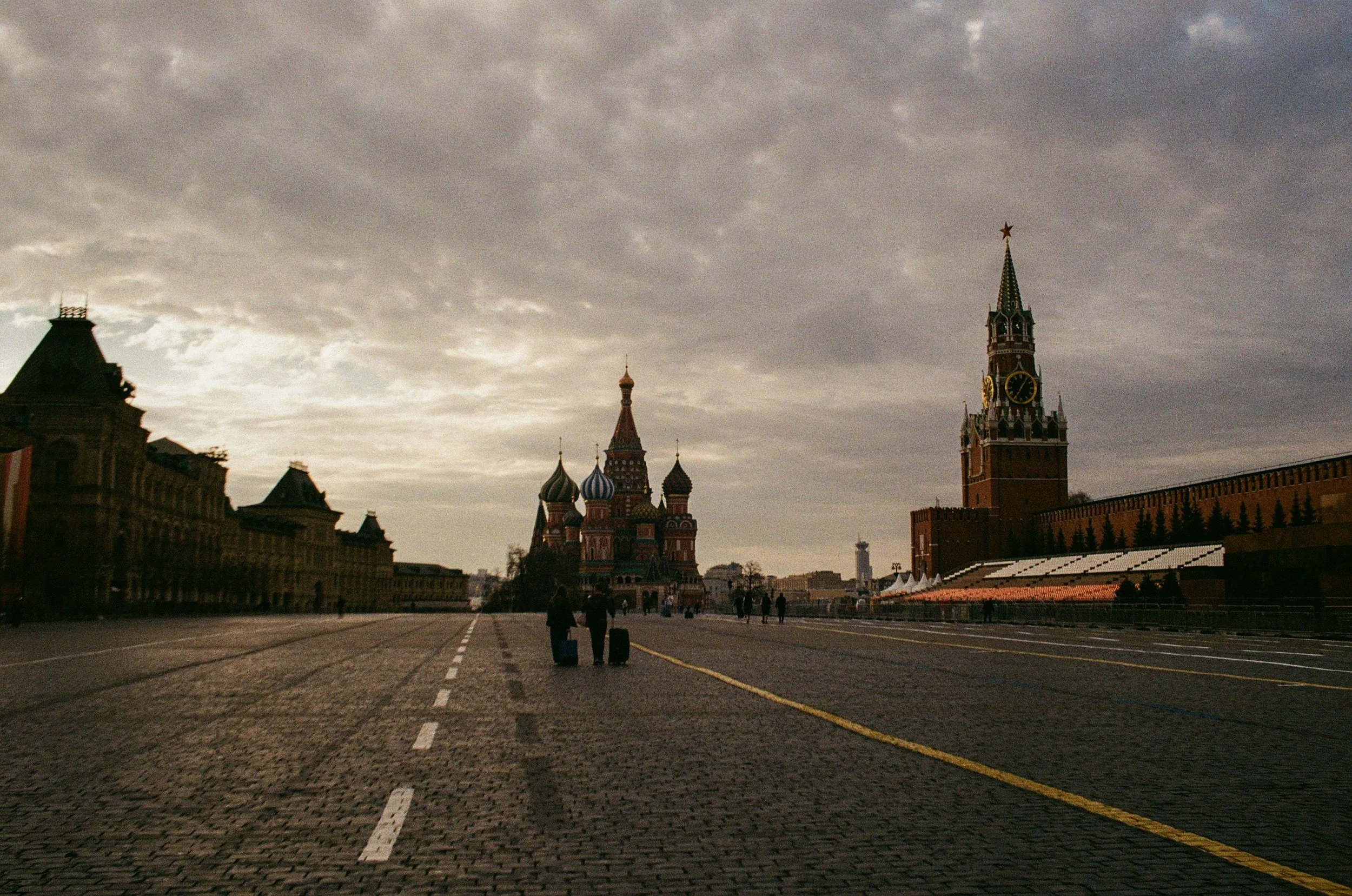
What is life really like for Russians right now?
The predictions began soon after Russia’s full-scale invasion of Ukraine: the collapse of the Russian economy was imminent. Four years later, it still hasn’t happened. And yet, the cracks are appearing: Ukrainian drones that are now capable of striking critical targets in Moscow; economic data that even the Kremlin can’t spin as positive. But what do these changes actually feel like for Russian citizens? This week, Wojciech calls people with friends and family in Moscow to find out.

Do you also have a Monstera in your living room?
Vinyl records, coffee table books, low-maintenance pot plants: from Dublin to Dubrovnik, all good hipsters have the same stuff. The Italian writer Vincenzo Latronico captures this boring international aesthetic beautifully in his hit novel ‘Perfection’, while skewering millennial life in general. Do you like hearing about Lisbon food, the internet vs real life, and everything that’s wrong with the word ‘expat’? Then you’ll love our inaugural book club conversation, even if you haven’t read the book. We’re also talking this week about a fugitive Polish politician’s transatlantic dash, and the questionable Frenchness of a celebrated giraffe. Listen to the end if you want to know why we are launching a side-business importing sun loungers.
Venice has a Russia and Israel problem
‘Art and politics can totally be separated!’ said no one ever – apart from the organisers of the Venice Biennale, a.k.a. the Olympics of the art world. This week we’re diving into the fallout from the Biennale’s decision to allow both Russia and Israel to participate. We’re also looking at a case study of why it’s so problematic to welcome Moscow to events that showcase its (Kremlin-approved) cultural offerings: the film Mr Nobody Against Putin, whose co-director Pavel Talakin, we are happy to report, has now happily been reunited with his mislaid Oscar. A round of applause for Lufthansa!

Can Pedro Sánchez unite the global left?
This week, we’ve got a little something for everyone: gambling! Kraftwerk! Blast from the recent US political past Tim Walz! It was a Good Week yet again for Spanish Prime Minister Pedro Sánchez, the darling of the global left, who threw a party for… the global left. And it was a Bad Week for the legendary German electronic band Kraftwerk, who apparently have been around since 1970(!) and therefore can withstand the occasional bad week. We also caught up with Greek investigative reporter Eurydice Bersi, who was part of a team that uncovered a slew of streamers on places like YouTube and Twitch who’ve been directing their followers to unlicensed gambling sites – and profiting off it. We hope you enjoy. And stay safe out there.

How did Ukrainians end up sailing in Russia's shadow fleet?
Shortly after the full-scale invasion of Ukraine began in February 2022, Elon Musk’s company SpaceX swept in to restore internet connectivity to areas that had been affected by Russian attacks. But SpaceX and its internet service, Starlink, have hardly remained indisputable forces for good in the war in Ukraine. Earlier this month, the Kyiv Independent revealed that a fleet of old, rusty ships has been transporting hundreds of millions of barrels of Russian oil… with Starlink’s help. Investigative journalist Tanya Kozyreva joins us to explain what her reporting uncovered about how Starlink is used by the Russian “shadow fleet” – and how Ukrainian sailors have found themselves onboard. We’re also joined by The Europeans’ resident Luxembourger, Nina Lamparski, to discuss a resurgence of bison in Europe and the imperiled fate of halloumi.